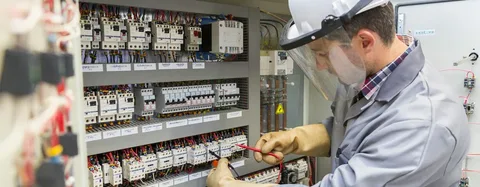
Affordable Residential Electrical Services in Durham: A Complete Homeowner’s Guide
Every home runs on electricity, yet most homeowners only think about their electrical system when something stops working. A flickering light, a tripped breaker, or a burning smell behind an outlet is often the first sign that a home’s wiring needs professional attention. In Durham, where housing stock ranges from decades-old bungalows to newly built subdivisions, electrical systems vary widely in age, capacity, and compliance with current code. Understanding what residential electrical services actually cover — and how to choose a provider that is both affordable and qualified — helps homeowners protect their property, their family, and their budget. This guide breaks down the core categories of residential electrical work, the warning signs that indicate a service call is overdue, the factors that influence pricing, and the questions worth asking before hiring an electrician in Durham. What Residential Electrical Services Actually Cover “Residential electrical services” is a broad umbrella term, and homeowners are often surprised by how many distinct tasks fall under it. Broadly, these services can be grouped into four categories: installation, repair, inspection, and upgrades. Installation Installation work includes wiring new construction, adding outlets or switches, installing lighting fixtures, and setting up dedicated circuits for major appliances like ranges, dryers, or HVAC systems. Repair Repair work addresses faults such as dead outlets, faulty switches, damaged wiring, and breaker panel malfunctions. Inspection Inspection services verify that a home’s electrical system meets current safety codes — something particularly important during real estate transactions or after storm damage. Upgrades Upgrades cover panel replacements, rewiring older homes, and adding capacity for modern electrical loads like electric vehicle chargers or home offices with multiple devices. A licensed provider of residential electrical services in Durham typically handles all four categories under one roof, which matters because electrical problems rarely exist in isolation. A tripped breaker, for example, might be a symptom of overloaded wiring rather than a standalone issue, and diagnosing the root cause usually requires the same technician to move fluidly between repair and inspection work. Common Warning Signs That Signal an Electrical Problem Electrical issues tend to escalate quietly. Because most wiring is hidden behind walls, homeowners often don’t notice a developing hazard until it becomes visible or audible. The following signs are the most common indicators that a home needs professional electrical attention: Frequent breaker trips. Occasional trips are normal when a circuit is overloaded by too many devices, but frequent or unexplained trips usually point to a wiring fault or an undersized panel. Flickering or dimming lights. This can indicate loose wiring, a failing connection at the panel, or a circuit carrying more load than it was designed for. Warm or discolored outlets. Heat at an outlet or switch plate is never normal and often signals arcing behind the wall, which is a fire risk. Burning smells with no visible source. This is one of the most urgent signs and typically warrants an immediate inspection rather than a scheduled appointment. Outlets that no longer hold a plug snugly. Worn outlets can create intermittent connections that generate heat over time. A persistently buzzing sound from switches or panels. Electrical systems should be silent; any audible hum from a panel deserves prompt attention. Homes older than 30 to 40 years are especially prone to these issues, since many were wired to standards that no longer meet the demands of modern appliances, HVAC systems, and electronics. If a Durham home shows two or more of these signs, scheduling a full home electrical inspection is generally more cost-effective than waiting for a single point of failure. What Drives the Cost of Residential Electrical Work “Affordable” doesn’t mean the same thing for every project, and understanding what actually drives pricing helps homeowners evaluate quotes more confidently. Several variables shape the final cost of residential electrical services: Scope of work A single outlet repair is a fundamentally different job than a full panel upgrade, and pricing should reflect that difference in labor, materials, and permitting requirements. Home age and wiring type Older homes with aluminum wiring or outdated knob-and-tube systems require more careful, and often more time-intensive, work than newer homes with standard copper wiring. Permit and inspection requirements Panel upgrades, new circuits, and major rewiring typically require permits and a follow-up inspection by the local jurisdiction, which adds a modest cost but is essential for safety and for future home resale. Accessibility Wiring that runs through finished walls, crawl spaces, or multi-story layouts takes longer to access and repair than wiring in an open basement or unfinished area. Emergency versus scheduled service Same-day or after-hours calls generally carry a premium over work that can be scheduled during normal business hours. Homeowners looking for cost-effective service should ask for a written estimate that itemizes labor, materials, and any permit fees before work begins. A transparent electrician will walk through these line items rather than offering a single lump-sum number with no breakdown, and this transparency is itself a good indicator of overall service quality. Electrical Panel Upgrades: When and Why They Matter One of the most consequential decisions a homeowner can make is whether to upgrade an aging electrical panel. Many homes in established Durham neighborhoods still operate on 100-amp panels, which were standard decades ago but are increasingly inadequate for households running central air, electric ranges, multiple large appliances, and a growing number of connected devices simultaneously. A 200-amp panel upgrade provides substantially more capacity and headroom for future additions, such as a home EV charger or a finished basement with additional circuits. Beyond capacity, panel upgrades also address safety: certain older panel brands have been associated with higher failure rates and are frequently flagged during home inspections and insurance evaluations. Replacing an outdated or recalled panel isn’t just a convenience upgrade — in many cases it directly affects a home’s insurability. Because panel work involves the entire home’s electrical supply, it should always be performed by a licensed electrician and inspected according to local code. This is one area where cutting costs by