
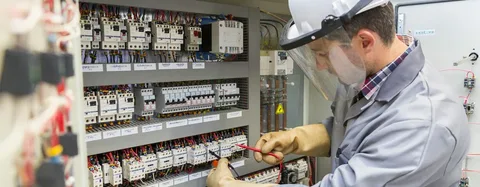
Every home runs on electricity, yet most homeowners only think about their electrical system when something stops working. A flickering light, a tripped breaker, or a burning smell behind an outlet is often the first sign that a home’s wiring needs professional attention. In Durham, where housing stock ranges from decades-old bungalows to newly built subdivisions, electrical systems vary widely in age, capacity, and compliance with current code. Understanding what residential electrical services actually cover — and how to choose a provider that is both affordable and qualified — helps homeowners protect their property, their family, and their budget.
This guide breaks down the core categories of residential electrical work, the warning signs that indicate a service call is overdue, the factors that influence pricing, and the questions worth asking before hiring an electrician in Durham.
What Residential Electrical Services Actually Cover
“Residential electrical services” is a broad umbrella term, and homeowners are often surprised by how many distinct tasks fall under it. Broadly, these services can be grouped into four categories: installation, repair, inspection, and upgrades.
Installation
Installation work includes wiring new construction, adding outlets or switches, installing lighting fixtures, and setting up dedicated circuits for major appliances like ranges, dryers, or HVAC systems.
Repair
Repair work addresses faults such as dead outlets, faulty switches, damaged wiring, and breaker panel malfunctions.
Inspection
Inspection services verify that a home’s electrical system meets current safety codes — something particularly important during real estate transactions or after storm damage.
Upgrades
Upgrades cover panel replacements, rewiring older homes, and adding capacity for modern electrical loads like electric vehicle chargers or home offices with multiple devices.
A licensed provider of residential electrical services in Durham typically handles all four categories under one roof, which matters because electrical problems rarely exist in isolation. A tripped breaker, for example, might be a symptom of overloaded wiring rather than a standalone issue, and diagnosing the root cause usually requires the same technician to move fluidly between repair and inspection work.
Common Warning Signs That Signal an Electrical Problem
Electrical issues tend to escalate quietly. Because most wiring is hidden behind walls, homeowners often don’t notice a developing hazard until it becomes visible or audible. The following signs are the most common indicators that a home needs professional electrical attention:
- Frequent breaker trips. Occasional trips are normal when a circuit is overloaded by too many devices, but frequent or unexplained trips usually point to a wiring fault or an undersized panel.
- Flickering or dimming lights. This can indicate loose wiring, a failing connection at the panel, or a circuit carrying more load than it was designed for.
- Warm or discolored outlets. Heat at an outlet or switch plate is never normal and often signals arcing behind the wall, which is a fire risk.
- Burning smells with no visible source. This is one of the most urgent signs and typically warrants an immediate inspection rather than a scheduled appointment.
- Outlets that no longer hold a plug snugly. Worn outlets can create intermittent connections that generate heat over time.
- A persistently buzzing sound from switches or panels. Electrical systems should be silent; any audible hum from a panel deserves prompt attention.
Homes older than 30 to 40 years are especially prone to these issues, since many were wired to standards that no longer meet the demands of modern appliances, HVAC systems, and electronics. If a Durham home shows two or more of these signs, scheduling a full home electrical inspection is generally more cost-effective than waiting for a single point of failure.
What Drives the Cost of Residential Electrical Work
“Affordable” doesn’t mean the same thing for every project, and understanding what actually drives pricing helps homeowners evaluate quotes more confidently. Several variables shape the final cost of residential electrical services:
Scope of work
A single outlet repair is a fundamentally different job than a full panel upgrade, and pricing should reflect that difference in labor, materials, and permitting requirements.
Home age and wiring type
Older homes with aluminum wiring or outdated knob-and-tube systems require more careful, and often more time-intensive, work than newer homes with standard copper wiring.
Permit and inspection requirements
Panel upgrades, new circuits, and major rewiring typically require permits and a follow-up inspection by the local jurisdiction, which adds a modest cost but is essential for safety and for future home resale.
Accessibility
Wiring that runs through finished walls, crawl spaces, or multi-story layouts takes longer to access and repair than wiring in an open basement or unfinished area.
Emergency versus scheduled service
Same-day or after-hours calls generally carry a premium over work that can be scheduled during normal business hours.
Homeowners looking for cost-effective service should ask for a written estimate that itemizes labor, materials, and any permit fees before work begins. A transparent electrician will walk through these line items rather than offering a single lump-sum number with no breakdown, and this transparency is itself a good indicator of overall service quality.
Electrical Panel Upgrades: When and Why They Matter
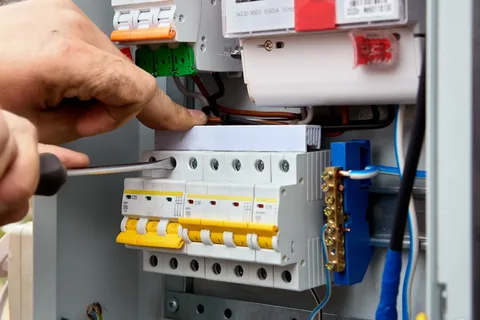
One of the most consequential decisions a homeowner can make is whether to upgrade an aging electrical panel. Many homes in established Durham neighborhoods still operate on 100-amp panels, which were standard decades ago but are increasingly inadequate for households running central air, electric ranges, multiple large appliances, and a growing number of connected devices simultaneously.
A 200-amp panel upgrade provides substantially more capacity and headroom for future additions, such as a home EV charger or a finished basement with additional circuits. Beyond capacity, panel upgrades also address safety: certain older panel brands have been associated with higher failure rates and are frequently flagged during home inspections and insurance evaluations. Replacing an outdated or recalled panel isn’t just a convenience upgrade — in many cases it directly affects a home’s insurability.
Because panel work involves the entire home’s electrical supply, it should always be performed by a licensed electrician and inspected according to local code. This is one area where cutting costs by hiring unlicensed labor creates significant downstream risk, both in terms of safety and resale value.
Choosing a Reliable Electrical Contractor in Durham
With dozens of electrical contractors operating across the Durham area, homeowners benefit from a short but rigorous evaluation process before hiring. A few criteria consistently separate reliable providers from the rest:
Licensing and insurance
Every electrician working in a home should carry a valid state license and liability insurance, which protects the homeowner if something goes wrong during the job.
Transparent pricing
Reputable contractors provide detailed estimates rather than vague verbal quotes, and they explain what factors could change the final price.
Code compliance knowledge
Local permitting requirements vary, and an experienced Durham electrician should be familiar with the specific inspection process used by the local jurisdiction.
Warranty on workmanship
A contractor confident in their work will typically back it with a warranty covering both labor and materials for a defined period.
Responsiveness for emergencies
Since electrical issues can escalate quickly, it’s worth confirming whether a provider offers emergency service and what their typical response time looks like.
Homeowners researching a full range of affordable electrical services for Durham homes should also check whether a contractor offers bundled maintenance plans, since periodic inspections can catch small issues — a loosening connection, a slightly overloaded circuit — before they become expensive emergencies.
Seasonal Electrical Maintenance in Durham
Durham’s climate, with humid summers and occasional winter storms, places specific stress on residential electrical systems. Surge protection becomes particularly important during storm season, when power fluctuations from grid instability or lightning strikes can damage sensitive electronics and appliances. A whole-home surge protector installed at the panel level offers more comprehensive protection than individual power strips, which only guard the devices plugged directly into them.
Outdoor outlets and fixtures also deserve seasonal attention, since exposure to humidity and temperature swings accelerates wear on weatherproof covers and GFCI outlets. A quick seasonal check — testing GFCI and AFCI breakers, inspecting outdoor wiring for damage, and confirming that the panel is free of moisture or corrosion — can prevent many of the emergency calls that spike during peak storm months.
Frequently Asked Questions
How often should a home’s electrical system be inspected?
Most professionals recommend a full inspection every three to five years for homes under 20 years old, and more frequently for older homes or those with a history of electrical issues.
Is it worth repairing an old panel instead of replacing it?
It depends on the panel’s brand, age, and condition. Some older panel models are known for safety issues regardless of their apparent condition, in which case replacement is the safer and often more cost-effective long-term choice.
Can homeowners do minor electrical work themselves?
Simple tasks like replacing a light fixture with the power off may be within reach for a confident DIYer, but anything involving the panel, new circuits, or wiring behind walls should be left to a licensed electrician, both for safety and to keep any home insurance coverage valid.
What’s the difference between a repair and a code compliance upgrade?
A repair fixes something that’s broken, while a code compliance upgrade brings older, still-functioning wiring or equipment up to current safety standards — often required before a home sale or insurance renewal.
Final Thoughts
Affordable residential electrical service in Durham isn’t about finding the lowest quote — it’s about finding a licensed, transparent contractor who diagnoses problems accurately and prices work fairly. Whether the need is a single outlet repair, a full panel upgrade, or a seasonal safety inspection, addressing electrical issues early consistently costs less than waiting for a failure. Homeowners who partner with an experienced, code-compliant provider of residential electrical services protect not just their appliances and wiring, but the long-term safety and value of their home.