
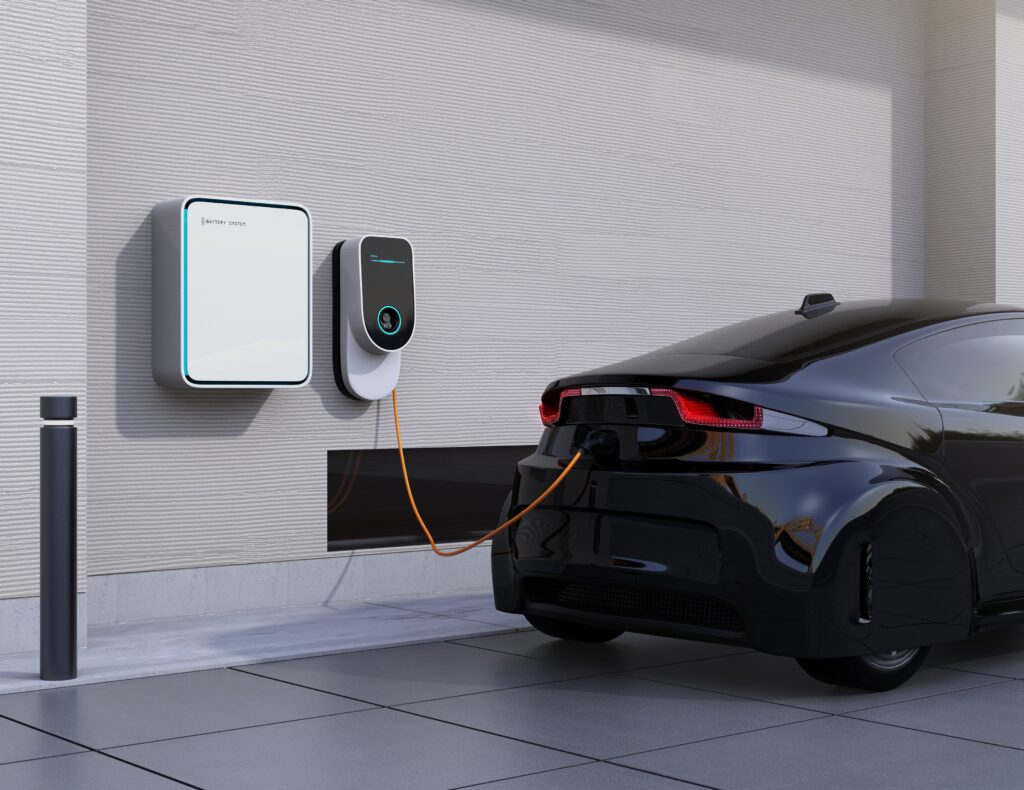
As the world transitions toward cleaner energy solutions and the adoption of electric vehicles (EVs) increases, Durham Region is at the forefront of this green revolution. The region, located in the Greater Toronto Area (GTA), is witnessing a significant increase in EV adoption, making EV charger installation a crucial part of the infrastructure. This article delves into the importance, process, and key considerations of EV charger installation in Durham Region
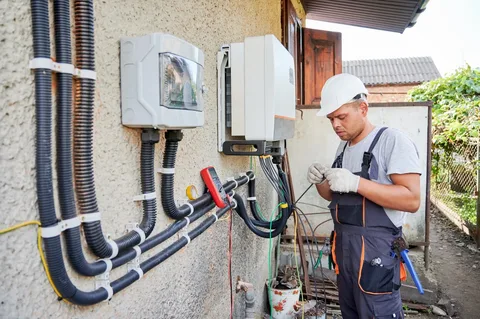
Introduction to EV Charger Installation in Durham Region
The Durham Region has become a key player in the shift to electric vehicles (EVs), with more residents, businesses, and public institutions embracing eco-friendly transportation. As electric cars gain popularity, the demand for convenient, accessible, and reliable EV charging stations grows. The installation of EV chargers in homes, businesses, and public spaces is now a vital component of the region’s infrastructure development, and understanding the steps, benefits, and regulations involved can help residents and businesses prepare for this transition.
By applying this framework to EV charger installation in Durham Region, we can create content that is not only informative but also aligned with the region’s unique characteristics, challenges, and opportunities.
Why EV Charger Installation Matters in Durham Region
The increasing adoption of EVs in Durham Region is driven by a combination of environmental awareness, government incentives, and technological advancements. According to recent data, electric vehicles are projected to account for a significant portion of the regional fleet in the coming years. As EV adoption rises, so does the need for charging infrastructure.
EV charger installation is essential for several reasons:
- Environmental Impact: Electric vehicles produce fewer emissions than traditional gasoline-powered cars, thereby improving air quality. Installing EV chargers accelerates adoption, helping reduce the region’s overall carbon footprint and contributing to a healthier environment.
- Convenience: With increasing EV adoption, having an adequate number of chargers in residential, commercial, and public spaces ensures EV owners can charge their vehicles without inconvenience. This convenience supports the growth of electric mobility.
- Economic Growth: Greater demand for EV chargers creates new business opportunities for local contractors while supporting job growth in installation, maintenance, and service sectors. This expansion benefits the regional economy and workforce. EV Chargers for Installation
When considering EV charger installation, it’s important to understand the various types of chargers available, each suited to different needs and applications. These can broadly be categorized into three levels:
Level 1 Chargers
- Level 1 chargers are the most basic type of EV charger, providing power through a standard 120-volt electrical outlet, the same type used for common household appliances. These chargers are typically used for home charging and are often included with the purchase of an electric vehicle.
- They require minimal installation—simply plug them into a regular household electrical outlet. However, charging speeds are much slower than those of other charger types, taking 8-20 hours to fully charge an EV, depending on the vehicle model.
Level 2 Chargers
- Description: Level 2 chargers are faster than Level 1 chargers and operate on a 240-volt circuit. These are ideal for home, business, and public installations that require quick, efficient charging.
- Professional installation is required because Level 2 chargers require a dedicated electrical circuit and proper wiring. They can charge most EVs in 4-8 hours, making them a common choice for both residential and business use.
Level 3 Chargers (DC Fast Chargers)
- Level 3 chargers, also called DC fast chargers, provide the fastest charging speeds. They use direct current (DC) instead of the alternating current (AC) normally found in homes. These chargers can typically charge an EV to 80% in 30 minutes or less and are typically found in public locations such as highway rest areas and commercial areas.
- These chargers require advanced electrical infrastructure, which can include dedicated substations to supply the large amount of electricity needed. Level 3 chargers are installed mainly in high-traffic locations rather than in homes, due to their higher cost and specialized requirements.
The Installation Process for EV Chargers
The installation process for an EV charger in Durham Region follows several key steps, ensuring the system is safe, efficient, and compliant with local regulations:
Site Assessment
A qualified installer conducts a site assessment to determine the most suitable location for the charger. This involves assessing electrical capacity, ensuring the location is easily accessible, and ensuring that the installation complies with building codes.
Electrical Evaluation
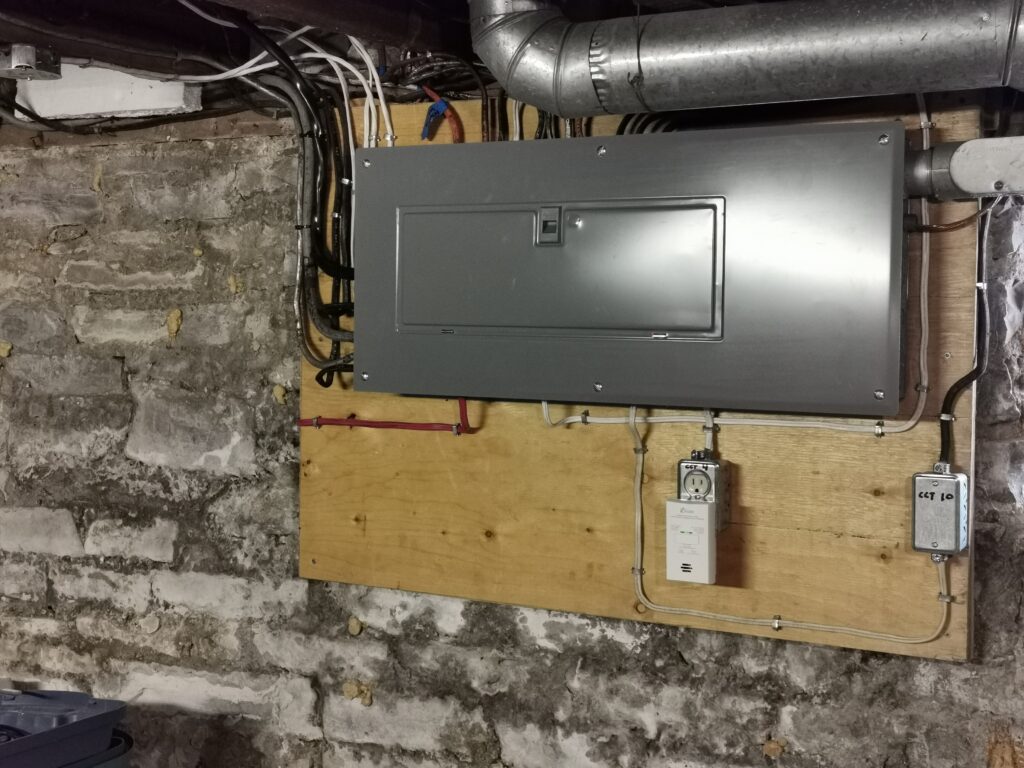
The existing electrical system is evaluated to determine if it can support the additional load of the charger. For Level 2 and Level 3 chargers, an upgrade to the electrical panel or wiring may be necessary.
Installation of the Charger
Once the site and electrical evaluation are complete, the charger is installed. This step involves installing the necessary hardware, including wiring, circuit breakers, and the charger unit.
Testing and Commissioning
After installation, the system is tested to ensure that it is functioning correctly. This includes verifying the charging speed, checking for any faults, and ensuring the system is safe to use.
Permitting and Compliance
In Durham Region, any installation of an EV charger that involves electrical work must comply with local building codes and safety standards. A licensed electrician must ensure the installation complies with all relevant regulations. Permits may be needed depending on the type of charger being installed.
Regulations and Incentives in Durham Region
Durham Region, like other parts of Ontario, is governed by several rules and regulations regarding the installation of EV chargers. These regulations are designed to ensure safety and prevent damage to electrical infrastructure.
Additionally, the provincial government offers various incentives for the installation of EV chargers:
- Ontario Electric Vehicle Incentive Program: Offers rebates for both the purchase of EVs and the installation of home chargers.
- Federal Grants and Incentives: The Canadian federal government offers grants and tax incentives to encourage EV adoption, which may also cover the installation costs of home charging stations.
It is also important to make sure the EV charger installation meets the requirements of the Ontario Electrical Safety Code (OESC) and the National Building Code of Canada (NBCC). These codes are sets of standards that help ensure electrical and construction work is done safely and reliably, reducing the risk of electrical hazards.

Choosing the Right EV Charger Installation Service in Durham Region
When choosing an EV charger installation service, consider the following factors:
- Experience and Certification: Ensure the installation team is experienced and certified by regulatory bodies such as the Electrical Safety Authority (ESA).
- Customer Reviews: Look for a service provider with positive feedback and a history of successful installations.
- Warranty and Support: Choose a service provider that offers warranties on installation work and ongoing support.
Conclusion
The installation of EV chargers in Durham Region is not just a technical process—it is a key step toward building a sustainable future. As more residents and businesses adopt electric vehicles, demand for accessible, reliable charging stations will continue to rise. Understanding the types of chargers, installation processes, regulations, and incentives available will help residents and businesses make informed decisions and play an active role in Durham’s transition to electric mobility. By embracing the shift to electric vehicles and investing in EV charger installations, Durham Region can contribute significantly to a cleaner, more sustainable environment for future generations.