
Blog

Commercial and Residential Electrical Services in Durham
Blog

Commercial and Residential Electrical Services in Durham Safe, Efficient

Electricity supports nearly every part of daily life, whether you’re relaxing at home, operating a business, or managing a commercial facility. In Durham, both homeowners and business owners rely on skilled electricians to maintain safe, efficient, and up-to-date electrical systems. As energy demands grow and technology continues to advance, professional electrical services have become essential for safety, performance, and long-term reliability. The Role of Electrical Services in Durham Every property—residential or commercialdepends on a well-designed electrical system. These systems require expert installation, proper maintenance, and timely upgrades to function safely. Licensed electricians ensure your electrical infrastructure meets safety standards, aligns with local building codes, and supports modern power needs. Electrical services in Durham generally fall into two categories: Residential electrical services: Designed for homes, townhouses, condominiums, and rental properties Commercial electrical services: Built for offices, restaurants, warehouses, retail stores, and industrial environments Both require a high level of precision, but each has its own challenges, safety requirements, and energy demands. Residential Electrical Services in Durham Homes today use more electricity than ever. With multiple appliances, smart home devices, and advanced heating and cooling systems, dependable electrical work is essential. Durham electricians help homeowners maintain safe, efficient, and functional systems that support everyday living. Professional Lighting Installation Quality lighting enhances comfort, improves visibility, and adds style to any room. Electricians provide installation for: Recessed lighting Chandeliers and pendants Under-cabinet lighting Outdoor pathway and security lighting LED conversions for improved efficiency Proper installation ensures the lighting works safely, looks great, and reduces energy consumption. Electrical Repairs and Troubleshooting Electrical problems often begin with small warning signs—flickering lights, warm outlets, buzzing sounds, or breakers that trip repeatedly. Addressing these issues early prevents larger hazards such as fires or wiring failures. Electricians diagnose and repair: Faulty outlets Damaged or outdated wiring Overloaded circuits Breaker malfunctions Short circuits Prompt repairs keep your home safe and help avoid costly emergencies. Electrical Panel Upgrades Older electrical panels were not designed to handle the demands of modern homes. Upgrading your panel improves capacity, reduces overloads, and ensures your system can support new appliances, electric vehicle chargers, and advanced HVAC units. A panel upgrade also increases safety and helps prepare your home for future expansion or renovations. Wiring and Outlet Installation Whether you’re building a new home, finishing a basement, or remodeling a kitchen, proper wiring is essential. Electricians design wiring systems that are efficient, safe, and capable of supporting today’s electrical loads. They also install well-placed outlets to improve convenience and eliminate hazards. Electrical Safety Inspections Regular inspections help identify issues like frayed wiring, overloaded circuits, loose connections, or outdated components. These checks are especially important for older homes and rental properties. Routine inspections enhance safety, reduce fire risks, and extend the life of your electrical system. Commercial Electrical Services in Durham Commercial buildings face higher power demands and stricter safety requirements. A reliable electrical system is essential for productivity, equipment performance, and customer safety. Durham electricians provide specialized services that support business operations and maintain compliance with all regulations. Commercial Panel Upgrades and Power Distribution Businesses rely on electrical systems to power machinery, equipment, lighting, computers, and HVAC systems. A strong electrical panel prevents overloads, supports daily operations, and reduces downtime. Upgraded panels help your business grow without running into power limitations. Commercial and Industrial Lighting Solutions Lighting affects employee productivity, safety, and customer experience. Electricians install: LED upgrades High-efficiency fixtures Motion sensors Exterior security lighting Warehouse and industrial lighting systems Energy-efficient lighting helps lower utility costs and reduces maintenance. Safety and Code Compliance Commercial properties must comply with strict electrical codes. Electricians ensure your building meets all safety requirements, including: Emergency lighting and exit signage Fire safety measures Proper grounding Electrical load calculations Regular inspections Compliance protects your staff, customers, and property while helping you avoid fines or violations. Data and Communication Wiring Modern businesses rely on stable communication systems. Electricians install structured cabling for: Internet networks Telephone systems Security cameras Access control systems Server rooms Reliable wiring improves efficiency, security, and day-to-day operations. Emergency Electrical Repairs Electrical problems can interrupt business operations and create safety risks. Electricians provide fast emergency repairs to resolve power failures, faulty equipment, lighting issues, and breaker problems. Quick service minimizes interruptions and protects your assets. Why Professional Electrical Services Matter Professional electrical work offers several important benefits: Safety and Protection Proper installation and repair reduce the risk of electrical fires, shocks, and equipment failures. Code Compliance Licensed electricians ensure your home or business meets local regulations and safety standards. Energy Efficiency Upgraded systems, LED lighting, and modern wiring reduce energy consumption and utility costs. Long-Term Reliability High-quality electrical work lowers maintenance needs and increases the lifespan of your electrical system. Tailored Solutions Every property is different. Electricians provide solutions that match your goals, layout, and electrical demands. Electrical Maintenance Tips A few simple habits can help keep your electrical system safe and efficient: Avoid overloading outlets Replace damaged cords immediately Keep electrical panels accessible Schedule routine inspections Upgrade aging wiring and panels Choose LED lighting and efficient appliances Call a professional at the first sign of trouble Preventative maintenance helps you avoid emergencies and unexpected expenses. Conclusion Commercial and residential electrical services in Durham play an essential role in keeping properties safe, modern, and fully powered. From lighting upgrades and wiring installations to panel replacements and emergency repairs, licensed electricians provide the expertise needed to maintain reliable electrical systems. Whether you’re a homeowner updating your space or a business owner managing heavy electrical demand, investing in professional electrical services ensures your system operates safely, efficiently, and in full compliance with local standards. With skilled technicians, quality workmanship, and dependable service, Durham’s electricians deliver solutions that support daily life, protect your property, and keep your power systems performing at their best.
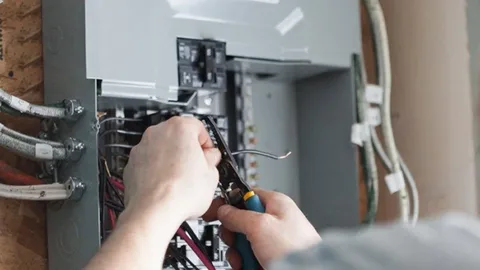
Durham Trusted Electricians From Home Lighting to Business Panel Upgrades
Blog

Durham Trusted Electricians From Home Lighting to Business Panel Upgrades

Electricity powers nearly every part of modern living—at home and at work. Whether you need new lighting, additional outlets, or a complete commercial panel upgrade, reliable results always depend on a trained professional. In Durham, homeowners and business owners trust certified electricians to deliver safe, efficient, and long-lasting electrical solutions. Our team provides expert services designed to protect your property, improve performance, and keep your system running smoothly. Why Choose a Licensed Electrician Electrical work requires precision and technical knowledge. Attempting repairs or installations without proper training can lead to injuries, fires, or costly code violations. A licensed electrician provides: Safety: Proper installation prevents electrical shocks, fires, and hazardous wiring issues. Compliance: All work follows Durham’s electrical standards and local building codes. Efficiency: Professional service prevents mistakes and saves time, energy, and money. Durability: Quality workmanship extends the lifespan of panels, wiring, lighting, and outlets. Whether you’re updating a single fixture or planning a large renovation, choosing a professional ensures the job is done correctly and safely. Residential Electrical Services in Durham Durham homeowners rely on dependable electrical systems that are safe, functional, and visually appealing. Our residential services include: Home Lighting Installation Lighting transforms how a room looks and functions. We install: Recessed lighting Chandeliers and pendant lights Under-cabinet lighting Outdoor pathway, landscape, and security lighting Energy-efficient LED systems Every installation is completed with precision to improve visibility, comfort, and energy savings. Electrical Repairs & Troubleshooting Flickering lights, sparking outlets, and tripped breakers are signs of underlying issues. Our electricians diagnose and repair problems quickly to protect your home from electrical hazards and system failures. Panel Upgrades Solar panel installation often struggle to support modern appliances and technology. Upgrading your panel increases power capacity, reduces overload risks, and prepares your home for high-demand systems such as HVAC units and home offices. Wiring & Outlet Installation Whether you’re remodeling or building a home, proper wiring is essential. We install safe, efficient wiring and well-placed outlets to match your layout and electrical needs. Electrical Safety Inspections Routine inspections help detect loose wiring, overloaded circuits, outdated panels, and other hazards before they become dangerous. Preventative checks protect your home and provide peace of mind. Commercial Electrical Services in Durham Businesses depend on electrical systems that operate efficiently and comply with strict safety standards. We offer a complete range of commercial electrical services, including: Panel Upgrades & Electrical Capacity A strong electrical infrastructure prevents downtime. We upgrade commercial panels to support machinery, office equipment, lighting systems, and other high-demand operations. Lighting & Energy Solutions Proper lighting enhances productivity and reduces energy costs. We install: LED upgrades High-efficiency fixtures Occupancy sensors Industrial and office lighting systems These solutions improve visibility, reduce maintenance, and lower utility expenses. Code Compliance & Safety Systems Commercial spaces require strict electrical compliance. We ensure your building meets all standards, including emergency lighting, exit signs, grounding, and safety equipment. Data & Communication Wiring Modern businesses rely on secure and stable networks. We install structured cabling for: Computers Phone systems Security cameras Access control systems Emergency Electrical Repairs Unexpected electrical failures can interrupt operations. Our team provides fast emergency service to protect equipment, staff, and productivity. What You Can Expect from Durham’s Trusted Electricians Skilled Professionals: Experienced in residential and commercial installations, repairs, and upgrades. Fast and Reliable Service: Prompt response times for repairs, projects, and emergencies. Customer-Focused Solutions: Clear communication, honest recommendations, and customized options. Quality Workmanship: Safe, efficient, and long-lasting electrical systems built to perform. Working with a reputable electrician ensures your project is completed correctly, safely, and on schedule. Electrical Maintenance Tips To keep your system functioning safely and efficiently: Avoid overloading outlets and power strips. Schedule periodic electrical inspections. Replace damaged cords and plugs immediately. Upgrade outdated wiring and electrical panels when needed. Use energy-efficient bulbs and appliances to reduce electricity use. Routine maintenance prevents emergencies, lowers long-term costs, and increases your property’s value. Conclusion From home lighting installations to large commercial upgrades, Durham’s leading electricians provide the professional services needed to keep your property safe and fully powered. Choosing a licensed electrician ensures proper installation, long-term reliability, and full compliance with local standards. Whether you’re upgrading your home, enhancing your business, or in need of urgent repairs, you can depend on skilled electricians in Durham to deliver safe, efficient, and high quality results.  

Blog

5 Key Electrical Services Every Durham Homeowner and Business Needs

Electricity is the backbone of modern living, powering homes, businesses, and essential appliances that make life more convenient and productive. For homeowners and business owners in Durham, having reliable electrical services is not just a matter of convenience—it’s a necessity. Whether it’s keeping your lights on, ensuring your appliances run smoothly, or maintaining safety standards, professional electrical services play a crucial role in maintaining the functionality and safety of your property. Here are five essential electrical services that every Durham resident or business should consider. Electrical Inspections and Maintenance One of the most basic yet critical electrical services is electrical inspections and maintenance. Over time, wiring can degrade, connections can loosen, and outdated panels can become hazardous. Regular inspections by a licensed electrician can identify potential problems before they escalate into costly repairs or dangerous situations. For homeowners, this ensures that circuits can handle modern appliances safely, reducing the risk of electrical fires. For businesses, inspections help maintain compliance with local electrical codes and minimize downtime caused by electrical failures. A proactive maintenance schedule can extend the lifespan of your electrical system, improve energy efficiency, and provide peace of mind knowing that your property is safe. Electrical Panel Upgrades Another key service that every property should have is electrical panel upgrades. As technology advances, the demand on electrical systems increases. Older homes and buildings often have panels that cannot handle the power load required by today’s appliances and devices. Upgrading your electrical panel allows you to safely accommodate additional circuits, prevent frequent breaker trips, and reduce the risk of overheating. For businesses, a robust electrical panel is essential to keep operations running smoothly. Panel upgrades also offer opportunities to integrate modern safety features such as surge protection and energy monitoring, which can save money in the long run and prevent damage to sensitive equipment. Lighting Installation and Upgrades Lighting installation and upgrades are critical for both homes and businesses. Proper lighting affects safety, productivity, and ambiance. In residential settings, upgrading to LED lighting or installing smart lighting systems can improve energy efficiency while providing better illumination for daily activities. Businesses can benefit from lighting solutions that enhance workspaces, improve visibility for employees, and create an inviting atmosphere for customers. Modern lighting solutions also include motion sensors, dimmers, and automated controls that reduce electricity consumption and lower utility bills. Whether it’s outdoor lighting for security or specialized lighting for a commercial setting, professional electricians ensure that installations are safe, compliant, and efficient. Electrical Repairs and Troubleshooting Homeowners and businesses alike should prioritize electrical repairs and troubleshooting services. Even minor electrical issues can escalate into serious hazards if left unaddressed. Flickering lights, frequent breaker trips, or outlets that don’t work properly are signs that there may be underlying problems with wiring or circuitry. Prompt electrical repairs not only restore functionality but also prevent further damage and reduce the risk of electrical shock or fire. For businesses, timely troubleshooting is crucial to minimize operational disruptions and maintain a safe environment for staff and customers. Licensed electricians have the tools and expertise to quickly diagnose issues and implement solutions, ensuring that your electrical system remains reliable and safe. Installation of Safety Devices and Surge Protection Finally, installation of safety devices and surge protection is essential for protecting both property and people. Electrical surges, whether caused by storms, faulty wiring, or utility fluctuations, can damage appliances and electronics or even start fires. Installing surge protectors and safety devices such as ground-fault circuit interrupters (GFCIs) and arc-fault circuit interrupters (AFCIs) helps safeguard your property from unexpected electrical hazards. For businesses with sensitive equipment, surge protection is particularly important to prevent data loss and equipment failure. Safety devices not only reduce the risk of accidents but also provide peace of mind knowing that your home or workplace is equipped to handle electrical emergencies. Energy Efficiency and Smart Electrical Solutions In addition to these core services, many homeowners and businesses in Durham are turning to energy efficiency and smart home solutions. Electricians can install energy-efficient appliances, programmable thermostats, solar-ready wiring, and other solutions that reduce energy consumption and lower utility bills. Businesses can implement energy-saving measures that cut costs and enhance sustainability. Conclusion Electricity is an essential part of everyday life, and reliable electrical services are a necessity for both Durham homeowners and businesses. Regular inspections and maintenance, panel upgrades, lighting installation, electrical repairs, and the installation of safety devices keep properties functioning safely and efficiently. By investing in these services, property owners can prevent hazards, enhance energy efficiency, and enjoy the convenience and security that a well-maintained electrical system provides. With professional electricians handling your electrical needs, Durham residents and businesses can focus on what truly matters—whether running a business, enjoying time at home, or simply living in a safe, comfortable environment powered by reliable electricity.    

Certified technician managing commercial electric meter bank installation. Contact ENV Electric for reliable and professional Electrical Services in Durham.
Blog

Powering Your Space: Commercial & Residential Electrical Services in Durham

Electricity powers nearly every facet of modern life, from the lights in our homes to the sophisticated equipment within commercial environments. Within Durham, the combination of tradition and innovation, the need for dependable electrical services continues to rise. Qualified electricians are essential to the safe and effective operation of the city, whether it is a family dwelling that requires wiring upgrades or a sizable enterprise that needs intricate installations.   This article discusses the scope of professional electrical services in Durham and their impact on homes and businesses, the importance of hiring licensed professionals, and what it means to energize a property.   The Importance of Professional Electrical Services   For modern properties, electrical systems are the lifeblood. They powers lights, appliances, HVAC equipment, and a variety of other systems, including security and other systems. Professional electrical services for all clients, whether business or residential, address these systems in a manner that ensures safe and effective elimination of potential risks, inefficiencies, and other complications.   Across Durham’s varied environments, from historic quarters to rapidly expanding commercial centers, diverse electrical needs become apparent. In residential contexts, effort is centered on safety, comfort, and energy efficiency. In commercial endeavors, the fatigue electrical systems generate is the primary concern. In all scenarios, accuracy, attention to detail, and adherence to regulatory standards is essential. RESIDENTIAL ELECTRICIAN: YOUR SAFETY AND COMFORT IS CRUCIAL I understand as a homeowner how a simple electrical problem can evolve into a huge problem in no time. Residential electrical services ensure safe and reliable power throughout your home. New Installations and Upgrading Whether it is the installation of new lighting fixtures, ceiling fans, or rewiring the entire home, these services are what people mostly seek in the Durham area. As of late, many Durham area homes, especially the older ones, need updating of wiring to meet contemporary energy demands. Upgrading a panel or a circuit is a crucial safety measure and it is essential to power the growing number of electronic devices in a home. Lighting Designs and Ideas Lighting changes the ambiance of your house. Electricians in the Durham area assist and create functional yet aesthetically pleasing lighting designs. Options can include recessed LED lights, accents, external and landscape lights, and security lights. Electrical Repairs and Maintenance When lights flicker, breakers trip, and starters malfunction, it’s time to check and repair them. Taking time to diagnose and repair helps in avoiding small repairs to become costly. However, it is more cost effective to repair mundane issues to extend the life of your electrical system and to keep it running without hitches throughout the year. Smart Home Integration Durham is seeing upgrades to connected smart tech systems which are automated and controlled through voice. Electricians are now able to integrate smart lighting, thermostats, security systems, and entertainment systems to the rest of the house, while also ensuring they meet compliance and efficiency standards. Safety Inspections and Surge Protection All residential electrical work prioritizes safety. Licensed electricians explain the details of your safety inspections which examine your house for outdated wiring, overloaded circuits, and fire risks. Electrical work also includes putting whole house surge protections which shields disposable electronics from lightning storms and power fluctuations. Commercial Electrical Services: Powering Durham’s Businesses Commercial electrical systems in Durham are the backbone of the growing businesses. Commercial offices, retail spaces, restaurants, and industrial facilities all need constant and quality power for uninterrupted operations. Professional electrical services extend to covering all safety and compliance regulations while allowing businesses to maintain uninterrupted operations. Electrical Design and Build    Most commercial electrical projects start with the design and the planning. Electricians join contractors and design teams to formulate tailored solutions to a structure’s requirements. Whether it’s planning the lighting for a new office or the wiring for a manufacturing plant, meticulous design guarantees the system’s designed for peak efficiency and planned for future expansion.   Panel and Power Distribution Upgrades   The expansion of a business, particularly the increase of power requirements, triggers the need for distributing electrical power designed for safe and balanced loads. Professional electricians evaluate power distribution systems to offer plans and service upgrades to avoid service risks and downtimes.   Lighting and Energy Efficiency   Installing energy-efficient lighting helps reduce the power bills. This is one of the reasons many businesses in Durham are now using LED lighting systems with motion sensors or other automated systems to control power use. Well-designed lighting improves productivity, showcases retail displays, and improves the overall customer experience.   Emergency and Backup Power Solutions   Generating systems and other backup power solutions reduce the business risks associated with unexpected power cuts and outages. Electricians put in and maintain systems so that they work when it is needed most. Compliance, Inspections and Safety All commercial electrical systems need to comply with the local codes and safety regulations. For every project to pass inspection, professional electricians are up to date with gets building codes and industry standards. Furthermore, the routine safe and compliance maintenance includes testing the emergency lighting, fire alarms and exit signs. Hiring Licensed Electricians Hiring licensed electricians is a requirement, whether you are carrying out a residential renovation or a commercial project. This is because electrical work involves very specialized knowledge and training. If such work is done improperly, it will result in damage, costly code violations or even a dangerous situation. Certified electricians provide the following. Expert Knowledge: They can analyze and repair complex electrical systems and execute safety procedures. Code Compliance: Ensures that all work is to the regulations and building codes of the area. Quality Assurance: The work done will meet the professional standards. Insurance Protection: Licensed professionals will shield the owner of the property from liability in the vent of a loss. Peace of Mind: You can concentrate on other important matters, knowing that your system is safe and efficient. Energy Efficiency and Sustainability The emphasis on energy conservation and sustainability continues within the Durham community. Electricians help homeowners and businesses reduce their ecological impact.   Some examples of the impact electricians have on

Blog, Commercial Exterior Painting Oshawa, Commercial Painting oshawa, Exterior House Painters

Solar Panels Ontario Power a Brighter, Greener Future

In Ontario, Canada’s leading clean energy province, there is a growing commitment to sustainability, environmental responsibility, and energy independence, which has led to an increase in the popularity of solar panel installations among the province’s residents, businesses, and institutions. From Toronto’s urban rooftops to Eastern Ontario’s rural landscapes, more people are tapping into the sun’s energy to lower their utility bills, increase their properties value, and contribute to a greener future.   In 2024, Canada’s solar energy capacity exceeded 4.5 gigawatts and Ontario continued to be the top province for residential and commercial solar installations. The increase in the solar energy capacity is a combination of the growing interest in the economically beneficial solar energy solutions and the rising sand for solar installations. Given the increasing energy costs and escalating environmental issues, the installation of solar panels has in Ontario has moved beyond simply being a trend to a strategic investment. Why Solar Energy is Booming in Ontario Ontario combines strong solar potential, supportive government initiatives, and widespread environmental awareness. Receiving an average of 1,200 to 1,400 kilowatt-hours of solar energy per square meter per year, it is very viable for solar production. Each day, solar panels are more and more popular with Ontarians, and for good reasons, they: Save money on energy Protect themselves from the unpredictability of utility costs   Shrink their carbon footprint and help with pollution   Improve their property’s value and modernize their buildings   Take benefit of the incentives and net metering systems   When designed appropriately and with professional installation, solar panels also help Ontario towards their goals on sustainability. Understanding Solar Panel Installation There are important steps in solar panel installation. Those steps include: Site Assessment and System Design Every project first starts with an in-depth on-site assessment that identifies the property’s solar potential. Factors like orientation, tilt, shading, and available space determine the roof’s solar potential. Based on the assessment, a custom solar system design is formulated. Permits and Approvals   The province and municipalities in Ontario have specific guidelines covers all solar installations. These include building and electrical permits and, in certain instances, approvals for utility interconnections. These documents are essential to prove that installations are legally compliant and safe.   Mounting System Installation   To support solar panels, the racking or mounting systems are fixed to the roof or ground. These systems are designed to endure Ontario weather, with heavy snow and high winds.   Solar Panels and Inverter Installation   After the infrastructure set for the mountings, solar panels and inverters, which convert direct current (DC) electricity to alternating current (AC) for home or business use, are installed.   Electrical Integration and Inspection   The solar energy system links with the utility grid and the property’s electrical panel. Certified inspectors confirm the system’s compliance with legislated safety and operational standards.   System Activation and Monitoring   The system is activated after the final go-ahead. Many modern solar installations come with monitoring systems that let the property owners view the system’s performance and energy generated in real time. Types of Solar Installations in Ontario Different solar solutions are provided to different properties. The three most common types of installations are as follows. Roof-Mounted Systems This option is most popular for homes and businesses. Roof-mounted systems utilize existing structures and reduce installation costs as well as optimize space. Ground-Mounted Systems Ideal for rural or larger properties with ample space, ground-mounted systems can also be configured for maximum sun exposure. They are easier to clean and maintain but require more upfront space and groundwork. Solar Carports and Canopies In commercial and institutional settings, these dual-purpose systems, which provide shade or covered parking while generating electricity, are becoming more popular.   Cost of Solar Panel Installation in Ontario (2025) The price of solar panel installation in Ontario has declined over the past decade due to improvements in technology and flexible adoption. As of 2025: Residential solar systems, depending on size, complexity, and site conditions, typically are in the range of $12,000 – $25,000 for a 5 – 10 kW system.   Commercial systems of solar power are much more diverse and often start at $50,000, and increase depending on the size of the property and energy requirements. The return on investment (ROI) periods are usually 6 to 12 years and depend on the system size, incentives, and energy consumption. The long-term savings from utility bills and earnings from net metering usually compensate for observed upfront expenses.   Environmental and Economic Benefits   The advantages of solar power do not only relate to financial savings. Minimizing the use of fossil fuels and reducing greenhouse gas emissions encourages sustainable development. When Ontarians install solar panels, they:   Decrease their residential systems’ average annual CO₂ emissions by 3–5 tonnes.   Contribute to Ontario’s clean energy vision and improve the resiliency of the electrical grid.   Encourage their neighbors to use solar power and renewable energy.   Gain the economic and environmental advantages of solar energy.   Protect themselves from future energy price surges.   These advantages reduce CO emission and price volatility of energy making the installation of solar energy economically and environmentally viable.   Government Incentives & Net Metering   With net metering, Ontario’s solar-friendly policies let solar adopters send excess solar power to the energy grid and earn bill credits, which improves the economics of solar power by equating annual energy production with energy consumption.   Moreover, installation of residential and commercial solar energy projects receive federal incentives and tax breaks to subsidize project costs. To improve your ROI and savings, it is advisable to keep up with new installation projects. Maintenance and Longevity The bare minimum attention a solar panel system needs over its functional lifetime greatly entices customers. The absence of moving components in solar panels means that there are little to no breakdowns, and no moving components means no breakdowns. Dust and snow require periodic removal and maintenance inspections of electrical components will have to take place, but those are the only services needed.   The best quality solar panels can withstand over thirty years of use, and there are no solar system components that will

electric power services
Blog

Agricultural electric power services in Ontario Making Farms Power Safe and Power Efficient 

Farming in Ontario does not only involve planting and harvesting but a system of elaborate electric circuits. Electricity is the backbone of farm productivity in the contemporary world through lighting and climate regulation in greenhouses, automated feeding in livestock barns, and so on. With safety, code compliance and reliability as the central aspect, Agricultural Electrical Services in Ontario are experts in designing, installing, maintaining, and repairing these important systems. This paper examines what these services include, the law/regulatory environment, usual pitfalls, advantages, and suggestions of selecting an effective provider. What are Agricultural electrical services? The electrical contracting services adjusted to the farming and agribusiness operation are known as agricultural electrical services. They usually include: New installations and additions: Wiring of barns, greenhouses, sheds, installation of service panels, installing motors, fans, lighting, ventilation equipment. Backup power systems (generators, UPS) are also installed by the contractors to continue the operations in the course of power outages.  Control systems and automation: Programmable Logic Controllers (PLCs), automated feeders, environment (humidity, temperature), irrigation control, sensor networks.  Lighting systems:  Interior (barns, packing areas) and exterior (yard lighting, security) are frequently LED, as it is efficient.  Service upgrades and maintenance: Making sure that the panels can support the load, fixing or replacing broken wiring, troubleshooting electrical faults. Seasonal checks are common.  Installation regulatory compliance and safety:  Ensuring that installations are in compliance with the Safety Code of Ontario Electrical (OESC)., acquiring applicable permits, and ensuring installations are inspected by the Electrical Safety Rules and South Ontario Requirements. Due to the presence of numerous hazards (moisture, animal waste, large loads and so forth) agricultural operations are regulated and controlled by strict regulations and codes of electrical systems on farms in Ontario. Key ones include: Ontario Electrical Safety Code (OESC) The OESC must be adhered to in all the electrical installations, repairs, replacements. It also contains regulations concerning the type of wiring, position of panels, protection against moisture and gases that corrode, adequate distance between panels and livestock fences etc.  Certified Tradespeople and Licensed Electrical Contractors (LEC). One should have an electrician who is a licensed contractor. Any contractor employed should possess appropriate licenses/ registrations with ESA. In most instances, farms can perform some minor work, however any activity that involves wiring or a significant load usually needs a licensed professional.  Permits, Notifications and Inspections. Most electrical work requires a permit, or a notification of work, through ESA, before commencing. After work is finished, check ups are put in place to check compliance. It is common that certificates of inspection (or a similar one) are needed.  Particular Barn Wiring Standards. Special wiring requirements exist in barns, e.g. Non Metallic Wet (NMW) or Non Metallic Wet Underground (NMWU) cable should be used in livestock areas, copper conductors, installing non essential electrical equipment in dry clean rooms that are separated and not in contact with moisture or corrosive gasses.  New Codes and Safety Authorities. Ontario periodically revises safety codes (e.g. new edition of OESC effective May 1, 2025) to reflect such improvements, conform to national standards and address new technologies.  Routine Problems and Resolutions. Electrical problems are peculiar to agricultural operations: Moisture, Corrosion and Gases:  The moisture and corrosive environments of barns and greenhouses are high. Electrical cables are destroyed, insulation is destroyed. To overcome this: correct type of cables (NMW, NMWU), keep electric panels out of the livestock premises, provide proper ventilation and enclosures.  Load Surges & Voltage Drops:  Sometimes, farm systems may be loaded with heavy loads (motors, dryers, fans). Voltage drop can be brought about by long wire runs. Remedies: modernize service panels, design load carrying feeders, employ bigger conductors, apportion loads. Risks of Downtime:  Due to the nature of most agricultural activities being time based, any electrical outage or failure would be costly in terms of livestock welfare or crop yields or spoilage. Integrity Backup power systems (generators, redundant circuits) are necessary. Also proactive maintenance.  Safety Hazards: Although these can cause fire or shocks, old or DIY wiring, rodent damage, damaged insulation, poor grounding, or overloads can cause fire or shocks. Professional inspection on a regular basis can be used to detect and correct hazards. Advantages of Correct Agricultural Electricity Services There are a number of obvious advantages to investing in professional agricultural electrical services: Safety: Adherence to codes minimizes the risk of fire, injuries to workers or animals, damage of equipment. Reliability:  There is less downtime, few surprises and automated systems are operating consistently. Energy and Cost Savings: Replacement of LED lighting and efficient motors, wiring and equipment of correct size, and size wiring and equipment facilitate minimization of wasted energy and utility bills. Compliance / Insurance:  Insurance companies might demand that some electrical standards should be met. Compliance noncompliance may result in loss of claims or an increase in the premiums. Insurance certificates and permits assist in meeting the requirements of the insurers. Scalability & Flexibility:  A well designed infrastructure will allow farmers to scale (add equipment, add green houses, add livestock) without requiring significant rewiring or service upgrades in the future.   How to Find a Good Agricultural Electrical Contractor. These are some of the criteria that should be considered when selecting a provider of agricultural electrical work: Appropriate Licensing and Certifications. Make sure that the contractor is a Licensed Electrical Contractor (LEC) in Ontario, has the required qualifications and is enrolled at ESA. Also trade certifications (Certificate of Qualification). Agricultural Environment Experience. The provider must be aware of the special issues: barns, greenhouses, animal welfare, environmental exposure, load requirements. It is a big advantage to have previous projects in the same environment. Familiarity with the Existing Codes and Standards. The most recent version of the OESC, house wiring regulations, revised safety regulations, permit and inspection regulations. Superior Design and planning competency. Along with the consideration of the load increase, the selection of the type of wiring, resistance to moisture and corrosion, panel layout, and route of underground cables when needed. Reactive Support and Emergency Support. Power outage, malfunctioning machines, etc. When electrical breakdowns happen

ev charger installation
Blog

EV Charger Installation in Ontario: Complete Guide for Homeowners and Businesses

Electric vehicles (EVs) are rapidly gaining popularity in Ontario as drivers seek eco friendly and cost effective alternatives to traditional cars. With more EVs on the road than ever before, the demand for reliable and convenient charging solutions has never been higher. While public charging stations are expanding across the province, having a personal EV charger at home or on commercial property offers unmatched convenience and efficiency. If you’re considering installing an EV charger in Ontario, this guide will walk you through everything you need to know—from types of chargers and installation requirements to benefits, costs, and professional recommendations. Why Install an EV Charger in Ontario? Ontario is actively supporting electric vehicle adoption, offering incentives and infrastructure improvements to make EV ownership easier. Here’s why homeowners and businesses are investing in EV charger installations: Convenience: Charge overnight at home and start each day with a full battery. Faster Charging: Faster Home & Workplace Chargers dramatically reduce charging time compared to standard outlets. Property Value Boost: Homes and commercial properties equipped with EV chargers are more attractive to buyers and tenants. Environmental Benefits: Supporting clean energy solutions aligns with Ontario’s sustainability goals. Cost Savings: Charging at home can be cheaper than relying on public charging stations. Types of EV Chargers Understanding your options is the first step before installation. EV chargers are generally classified into three levels: Basic Home Charging Uses a standard 120 volt outlet. Adds about 8 to 10 km of range per hour. Best for occasional drivers or backup charging. Faster Home & Workplace Charging Requires a 240 volt outlet. Adds about 30 to 50 km of range per hour. Most popular choice for homeowners and businesses in Ontario. Ultra Fast Public Charging Commercial grade, high voltage system. Can charge most EVs up to 80% in 30 to 60 minutes. Suitable for businesses, fleets, and public charging stations. Residential EV Charger Installation in Ontario For most homeowners, Faster Home & Workplace Charger is the ideal choice. It provides faster charging than a standard outlet and fits seamlessly into daily routines. Steps for Residential Installation: Assess Electrical Capacity A licensed electrician will check if your home’s electrical panel can support a 240 volt circuit. Some older homes may require a panel upgrade. Choose Charger Location Commonly installed in garages or driveways for easy access. Weatherproof chargers are available for outdoor setups. Install Circuit and Outlet A dedicated breaker and wiring are required to support the charger safely. Mount and Connect Charger The charger is securely installed, tested, and configured for optimal performance. Commercial EV Charger Installation in Ontario Businesses, workplaces, and multi unit residences can benefit from installing EV chargers. Not only does it attract eco conscious customers and tenants, but it also demonstrates corporate responsibility. Benefits for Businesses: Increases customer dwell time and loyalty. Generates additional revenue if pay per use charging is offered. Qualifies for certain government grants and rebates. Enhances corporate sustainability initiatives. Common Commercial Applications: Retail parking lots Office buildings Apartment and condominium complexes Fleet vehicle depots Permits and Regulations in Ontario Installing an EV charger in Ontario requires compliance with provincial and municipal regulations. Key considerations include: Electrical Safety Authority (ESA) Permit: Mandatory for all EV charger installations. A licensed electrician must file for this permit. Municipal Guidelines: Some municipalities may have zoning or property specific requirements. Utility Notifications: In some cases, local utilities must be informed to ensure grid capacity. Working with a licensed installer ensures your project meets all safety and legal requirements. Cost of EV Charger Installation in Ontario The cost depends on several factors: Charger type: Basic Home Charging is minimal, Faster Home & Workplace Charging is most common, and Ultra Fast Public Charging is significantly more expensive. Electrical panel capacity: Upgrades may increase installation costs. Wiring distance: Longer cable runs add to labor and material costs. Mounting requirements: Indoor vs. outdoor installations may differ in complexity. On average, homeowners can expect $1,000 to $2,500 for a Faster Home & Workplace Charger installation, while commercial installations vary widely based on scale and charger type. Government Incentives and Rebates Ontario and the federal government periodically offer rebates to encourage EV adoption. These can include: Rebates on the purchase of EV chargers. Incentives for multi unit residential buildings and workplaces. Support programs for businesses installing public charging infrastructure. It’s best to check current provincial and federal programs before scheduling installation to maximize savings. Safety Considerations Safety should always be a priority when installing EV chargers: Licensed Electrician: Always hire a professional certified in EV charger installation. Dedicated Circuit: Prevents overloads and ensures efficient charging. Weatherproofing: Outdoor chargers should be rated for Ontario’s climate, including snow and freezing temperatures. Routine Maintenance: Periodic inspections keep your system running safely. Preparing for the Future Installing an EV charger isn’t just about meeting today’s needs—it’s about future proofing your property. With EV adoption on the rise, investing in charging infrastructure now positions your home or business ahead of the curve. Future considerations include: Smart Chargers: Allow scheduling during off peak electricity hours. Load Management Systems: Essential for multi unit or commercial applications. Solar Integration: Pairing EV chargers with renewable energy for maximum sustainability. Benefits of Professional EV Charger Installation Compliance with codes and regulations Safe and reliable performance Optimized charging speed and efficiency Warranty protection through certified installation Peace of mind knowing your system is installed correctly Final Thoughts EV charger installation in Ontario is a smart investment for both homeowners and businesses. It provides convenience, enhances property value, and supports a greener future. Whether you’re installing a Faster Home & Workplace Charger at home or a network of commercial chargers, working with licensed professionals ensures safety, efficiency, and compliance with provincial standards. As electric vehicles become the new norm, installing an EV charger positions you to enjoy the full benefits of clean, cost effective transportation while staying ahead of the curve in Ontario’s growing EV landscape. Ready to charge smarter? Contact ENV Electric for professional EV charger installation.

Commercial and Residential Electrical Services A Complete Guide
Blog

Commercial and Residential Electrical Services A Complete Guide

The Role of Electrical Services in Modern Life Electricity powers our homes, businesses, and entire economies. Without professional electrical services, daily life would grind to a halt. From lighting and appliances in the home to industrial machinery and data centers, safe and reliable electrical systems are non-negotiable. Electrical services fall into two primary categories: residential electrical services (for homes and apartments) and commercial electrical services (for offices, stores, factories, and large facilities). While they share common foundations wiring, circuits, panels, and safety each has its own standards, demands, and regulatory requirements. This guide explores both categories in depth, providing homeowners, business owners, and facility managers with a clear understanding of what electrical services include, why they matter, and how to choose the right provider. Foundations of Electrical Systems Basic Electrical Concepts Voltage (V): The force that pushes electric current through wires. Current (I): The flow of electrons, measured in amperes. Resistance (R): Opposition to current flow. Power (W): The rate at which electricity is consumed, calculated as Voltage × Current. Core Components in All Properties Electrical Panels / Breaker Boxes : The hub where electricity is distributed. Circuit Breakers / Fuses : Protective devices that cut power in case of overloads. Wiring : Copper or aluminum conductors connecting outlets, switches, and appliances. Outlets and Switches : Endpoints for power delivery. Grounding Systems : Ensure safety by redirecting excess current. Residential Electrical Services Scope of Work Residential electrical services focus on safe, reliable, and convenient electricity for homes. Services typically include: New home wiring and remodeling projects Electrical panel upgrades from 100 amps to modern 200 amps Lighting installation: indoor, outdoor, and landscape Outlet and switch upgrades, including GFCI outlets Appliance hookups: ovens, dryers, HVAC systems, and EV chargers Home safety inspections Emergency repairs for outages, sparks, or unsafe conditions Common Residential Electrical Problems Flickering lights caused by loose wiring Breakers tripping frequently due to overloaded circuits Outlets sparking or overheating Outdated knob-and-tube wiring in older homes Insufficient power for modern devices and appliances Energy Efficiency in Homes Modern residential services also focus on reducing energy costs: LED lighting retrofits Smart thermostats and home automation Solar panel integration Energy audits for efficiency improvements Commercial Electrical Services Scope of Work Commercial electrical projects are more complex because they must power entire operations. Services often include: Large-scale electrical design and installation High-capacity panels and transformers Three-phase power systems Lighting systems for retail, warehouses, and parking lots Data cabling and networking power Backup generators and UPS systems Compliance with NEC and local codes Common Commercial Electrical Problems Overloaded circuits during peak business hours Failing emergency lighting or exit signs Inconsistent power supply causing equipment shutdowns Code violations leading to failed inspections Energy inefficiency increasing operational costs Energy Management for Businesses Commercial clients are increasingly focused on sustainability: LED retrofits for offices and warehouses Motion sensor and daylight harvesting controls Energy audits to reduce peak demand EV charging stations for employees and customers Key Differences Between Residential and Commercial Electrical Services Residential Electrical Services Single-phase systems (120/240 volts) Plastic-sheathed wiring, simpler routing Lower load requirements, focused on home appliances Local residential codes for compliance Periodic inspections every 3–5 years Commercial Electrical Services Three-phase systems (up to 480 volts or more) Conduits and more complex wiring layouts Heavy loads for machinery and IT infrastructure Strict NEC and OSHA compliance Annual inspections and ongoing maintenance contracts The stakes are higher in commercial projects because power interruptions can mean lost productivity, lost revenue, or even life-threatening situations in critical facilities. Safety, Compliance, and Regulations Why Electrical Codes Matter The National Electrical Code (NEC) and local building standards protect people and property. Compliance ensures: Fire prevention Shock hazard reduction Insurance coverage Protection against lawsuits OSHA and Workplace Standards In commercial environments, OSHA requires compliance for safe electrical installations. Employers are legally obligated to ensure workplace safety. Importance of Licensed Electricians DIY electrical work is risky and often illegal. Licensed professionals guarantee: Code compliant installations Insurance validity Warranty protection Peace of mind Emerging Trends in Electrical Services Smart Homes IoT devices, app-based monitoring, and smart panels Renewable Energy  Solar panels, wind power, and battery storage Electric Vehicle (EV) Infrastructure Home and fleet charging stations Microgrids  Localized power generation for resilience Building Automation :Energy management systems for commercial properties Cost Considerations Residential Costs Electrical panel upgrade: $1,200–$3,000 Whole-home rewiring: $4,000–$15,000 Lighting installation: $150–$500 per fixture EV charger installation: $800–$2,500 Commercial Costs New commercial wiring: $4–$12 per square foot Panel upgrades: $5,000–$20,000 Backup generator systems: $10,000–$50,000+ LED retrofits: Payback often within 2–3 years Choosing the Right Electrical Contractor When hiring an electrician, consider: Licensing and certification Experience in similar projects References and reputation Insurance coverage Up-front, transparent pricing Emergency service availability FAQs Q1: What is the difference between commercial and residential electrical services? Residential focuses on homes with single-phase power, while commercial involves larger, more complex systems using three-phase power. Q2: How often should electrical systems be inspected? Homes: every 3–5 years. Businesses: annually or per OSHA/insurance requirements. Q3: Can a residential electrician work on commercial projects? Not usually. Commercial systems require additional licensing and experience. Q4: What are signs I need an electrical panel upgrade? Frequent breaker trips, flickering lights, or adding major new appliances. Q5: Are LED upgrades worth it for businesses? Yes, they reduce energy costs significantly and often pay for themselves in under three years. Conclusion Electrical systems are the backbone of both homes and businesses. While residential services focus on safe, comfortable living spaces, commercial services demand higher capacity, compliance, and reliability. Both require licensed professionals who can ensure safety, efficiency, and long-term reliability. Whether you’re a homeowner adding a new appliance or a business upgrading to energy-efficient lighting, choosing the right electrical service provider ensures your property remains safe, functional, and future-ready.

Solar Panels Installation Durham
Blog, Commercial Exterior Painting Oshawa

Solar Panels Installation in Durham

Every year, Durham homeowners and businesses face rising energy costs and growing concerns about sustainability. Many are searching for ways to reduce electricity bills, improve energy independence, and contribute to a greener future. One of the most effective solutions is installing solar panels. Unlike traditional energy sources that depend on fossil fuels, solar energy is a renewable, sustainable, and cost effective source. Installing solar panels not only lowers your monthly utility bills but also increases your property value, reduces your carbon footprint, and provides long term financial returns. This comprehensive guide explores everything you need to know about solar panels in Durham, including benefits, installation processes, costs, financing risks, and how to choose the correct installer. Why Durham Is a Smart Place for Solar Electricity Trends and Costs Durham residents face steadily increasing electricity bills year after year. Solar panels enable homeowners to offset these costs by generating their own clean energy, thereby reducing their reliance on utility companies and gaining control over long term expenses. Climate and Sunlight Feasibility Although Durham is not in a desert climate, it still receives plenty of sunlight to make solar panels effective. Modern solar technology performs well even on cloudy days and during winter months. Systems are designed to maximize production based on the region’s sunlight hours. Local Incentives and Net Metering Durham offers supportive policies for renewable energy. Residents may benefit from federal investment tax credits, utility rebates, and net metering programs, which allow them to sell excess electricity back to the grid or receive credits on future bills. These incentives reduce upfront costs and shorten payback periods. Benefits of Installing Solar Panels in Durham Reduced Energy Bills By generating electricity directly from your roof or yard, solar panels help cut your monthly utility costs. Over time, the savings add up significantly. Increased Property Value Homes equipped with solar systems often sell faster and at higher prices. Buyers see long term value in reduced energy expenses. Energy Independence Solar panels protect you from future utility rate hikes. With a battery storage option, you can maintain power even during outages. Environmental Benefits Switching to solar means reducing your carbon footprint. By reducing greenhouse gas emissions, you contribute to a cleaner, more sustainable Durham. Business and Brand Benefits For local businesses, solar panels demonstrate a commitment to sustainability, improve public image, and may qualify for additional green business certifications. Types of Solar Systems Grid Tied Systems Most common and cost effective. These are connected to the utility grid and allow net metering. Off Grid Systems Independent systems with battery storage are ideal for rural areas without reliable grid access. Hybrid Systems Combine grid access with battery backup, ensuring energy during outages while still benefiting from net metering. Key Components Solar panels (mono, poly, or thin film) Inverters Mounting systems Wiring and electrical connections Monitoring systems Batteries (optional) Solar Installation Process in Durham Site Assessment A technician evaluates the condition of your property’s roof and shading to determine solar feasibility. System Design and Proposal Engineers create a tailored plan estimating energy production costs and savings. Permits and Approvals Installers handle municipal permits, utility approvals, and incentive applications. Installation Panels are mounted, wired, and connected safely by certified electricians. Activation and Inspection Once inspected and approved, the system is switched on and begins generating energy. Maintenance Solar systems require minimal upkeep with occasional cleaning and periodic inspections to ensure peak efficiency. Costs and Financing Typical Costs Residential solar systems in Durham typically range from $15,000 to $25,000, depending on the system’s size and equipment. Incentives and Rebates Federal solar investment tax credit (ITC) Property tax exemptions Utility rebates Net metering credits Financing Options Cash purchase (best long term ROI) Solar loans and home equity loans Leasing or power purchase agreements (PPAs) Specialized renewable energy financing programs Payback Period Most systems achieve payback in 6 to 10 years with savings continuing for decades afterward. Risks and How to Mitigate Them Roof issues → Ensure the roof is in good condition before installation. Shading problems → Conduct a shading analysis to maximize efficiency. Permit delays → Work with local installers who understand Durham regulations. Low quality equipment → Choose reputable manufacturers with strong warranties. Unexpected costs → Request a transparent proposal with no hidden fees. Commercial and Agricultural Solar Businesses, warehouses, and farms in Durham can benefit from large scale solar: Reduced operating costs Energy security and independence Improved brand image Access to accelerated depreciation and business incentives Long term sustainability goals Real World Example Residential Example 7 kW system Cost 22000 dollars Incentives 6000 dollars Net cost: 16000 dollars Annual savings of 1500 dollars Payback period 7 years Commercial Example 50 kW system Cost 120000 dollars Incentives 30000 dollars Annual savings of 15000 dollars plus Payback 8 years Choosing the Right Installer in Durham When selecting a solar installer, consider: Proper licensing and insurance Local experience with Durham codes and utilities Custom system design Clear proposals without hidden fees Strong warranties (25 year panel, 10 to 15 year inverter) Ongoing support and maintenance services Frequently Asked Questions Q: Do solar panels work in winter Yes, panels generate electricity in cold and cloudy weather, albeit at a reduced output. Q: How long do solar panels last 25 to 30 years on average, with gradual performance degradation. Q: Will solar damage my roof No, when installed correctly with proper flashing and sealing. Q: Can I expand later Yes, systems can be designed to allow for future expansion. Q: What happens in a power outage Standard systems shut off for safety. With battery backup, you maintain power. Myths About Solar in Durham “It’s too expensive.” Incentives and financing make it affordable. “Durham doesn’t get enough sun.” Modern systems work even in cloudy weather. “Maintenance is difficult.” Solar requires very little upkeep. “Permitting is too complicated.” Professional installers handle paperwork. Long Term Outlook 5 years → Payback period approaching 10 years → Strong savings ROI proven 20 plus years → Energy independence, significant cost reductions, and environmental benefits Tips for

Licensed Electrical Contractors
Blog

Licensed Electrical Contractors in Ontario: Everything You Need to Know

Electricity powers every modern home, business, and industry, making it one of the most essential services in our daily lives. Whether you are building a new property, renovating, or simply addressing electrical issues, hiring a licensed electrical contractor in Ontario is not just a recommendation—it’s a legal requirement and a safety necessity. Licensed contractors ensure that all work complies with provincial codes, provides long-lasting reliability, and protects your property from fire or electrical hazards. In this guide, we will explore the importance, benefits, and processes involved in working with licensed electrical contractors across Ontario. What Is a Licensed Electrical Contractor? A licensed electrical contractor in Ontario is a professional or company authorized by the Electrical Safety Authority (ESA) to perform electrical work. This license verifies that the contractor has the training, insurance, qualifications, and approval to safely carry out electrical installations, repairs, and upgrades. Licensed contractors are distinct from uncertified handymen or general technicians—they carry the legal responsibility to ensure every project passes inspection and complies with the Ontario Electrical Safety Code. Why Hiring a Licensed Electrical Contractor Is Essential Safety First Electricity can be dangerous if handled improperly. Licensed contractors follow strict safety regulations to protect property and occupants from electrical shocks, fires, and accidents. Legal Requirement In Ontario, all electrical work in residential, commercial, or industrial settings must be done by a licensed electrical contractor. This includes wiring, panel upgrades, and major repairs. Insurance Protection Hiring an unlicensed worker can void your home insurance in the event of fire or damage. Licensed contractors carry liability insurance, ensuring you are covered. Quality and Reliability Licensed contractors use proper materials, tools, and methods. This guarantees long lasting electrical systems that meet the demands of modern living. Services Offered by Licensed Electrical Contractors in Ontario Licensed contractors provide a wide range of electrical services for homeowners, businesses, and industries. Some of the most common include: New Home Wiring: Installation of complete electrical systems for new builds. Renovation and Upgrades: Updating wiring, panels, and fixtures during remodeling. Panel and Service Upgrades: Replacing outdated fuse boxes with modern breaker panels. Lighting Solutions: Installation of energy efficient lighting for indoor and outdoor spaces. EV Charger Installation: Setting up home or commercial electric vehicle charging stations. Generator Installation: Ensuring backup power systems are safe and reliable. Commercial Electrical Systems: Wiring offices, retail, and industrial spaces for optimal performance. Troubleshooting and Repairs: Diagnosing and fixing issues such as flickering lights, tripped breakers, or faulty outlets. Residential Electrical Services in Ontario Homeowners often rely on licensed contractors for: Safe installation of outlets, switches, and fixtures. Kitchen and bathroom renovations requiring new circuits. Smart home technology integration. Outdoor landscape and security lighting. Wiring inspections before buying or selling a home. These services not only improve convenience but also increase the value and safety of your property. Commercial and Industrial Electrical Services Businesses and industries in Ontario depend heavily on electrical contractors for: High voltage wiring and industrial equipment connections. Energy efficient solutions to reduce operating costs. Emergency services to prevent downtime. Compliance with workplace safety standards. Hiring a licensed contractor ensures that large scale projects run smoothly without violating codes or compromising employee safety. How to Choose the Right Licensed Electrical Contractor With many contractors operating in Ontario, choosing the right one can feel overwhelming. Here are key factors to consider: License Verification Always confirm the contractor holds a valid ESA license. Experience Contractors with years of experience can handle complex issues more efficiently. Insurance Coverage Verify liability and worker’s compensation insurance for protection. Reputation Look for positive feedback, references, and consistent service quality. Transparent Pricing Professional contractors provide clear estimates without hidden fees. Warranty Reliable contractors offer warranties on parts and labor, giving peace of mind. Cost of Hiring a Licensed Electrical Contractor in Ontario The cost of hiring a licensed contractor varies depending on the type and scope of work. Factors influencing cost include: Project complexity (simple outlet vs full rewiring). Materials required (basic vs premium). Location and accessibility. Emergency or after hours service. While licensed contractors may charge more than unlicensed workers, the investment ensures safety, compliance, and protection against future problems. The Process of Working with a Licensed Electrical Contractor Consultation and Quote The contractor assesses your needs and provides an estimate. Permit Application For most projects, a permit must be filed with the ESA. Licensed contractors handle this process for you. Work Execution The contractor completes the job using safe, code compliant methods. Inspection An ESA inspector reviews the completed work to ensure compliance. Certification Once approved, you receive a Certificate of Inspection, proving the work meets Ontario safety standards. Benefits of Hiring Local Contractors in Ontario Knowledge of Local Codes: Familiar with Ontario Electrical Safety Code requirements. Quick Response Time: Faster service for emergencies. Community Reputation: Local contractors rely on word of mouth, ensuring higher accountability. Support for Local Economy: Hiring locally strengthens Ontario businesses. Avoiding Common Electrical Risks Some homeowners try DIY electrical work or hire unlicensed workers to save money. This can lead to: Electrical fires. Serious injury or death from shocks. Failed home inspections when selling property. Insurance claims denied. The risks far outweigh any short term savings. Always hire a licensed contractor. Future Trends in Electrical Contracting As Ontario continues to modernize, licensed contractors are increasingly involved in: Installing solar panels and renewable energy systems. Smart home automation projects. Expanding EV charging infrastructure. Energy efficiency retrofits for homes and businesses. Choosing a contractor who stays current with these trends ensures your property is future ready. Conclusion Hiring a licensed electrical contractor in Ontario is more than just a smart choice—it’s the only safe and legal way to handle electrical work. From small residential fixes to large commercial installations, licensed contractors provide the expertise, safety, and reliability you need. By verifying licenses, understanding the scope of services, and working with professionals, you protect your home, family, and investments. Whether upgrading a panel, wiring a new home, or installing advanced systems, Ontario’s licensed electrical contractors deliver peace of mind

Scroll to Top