
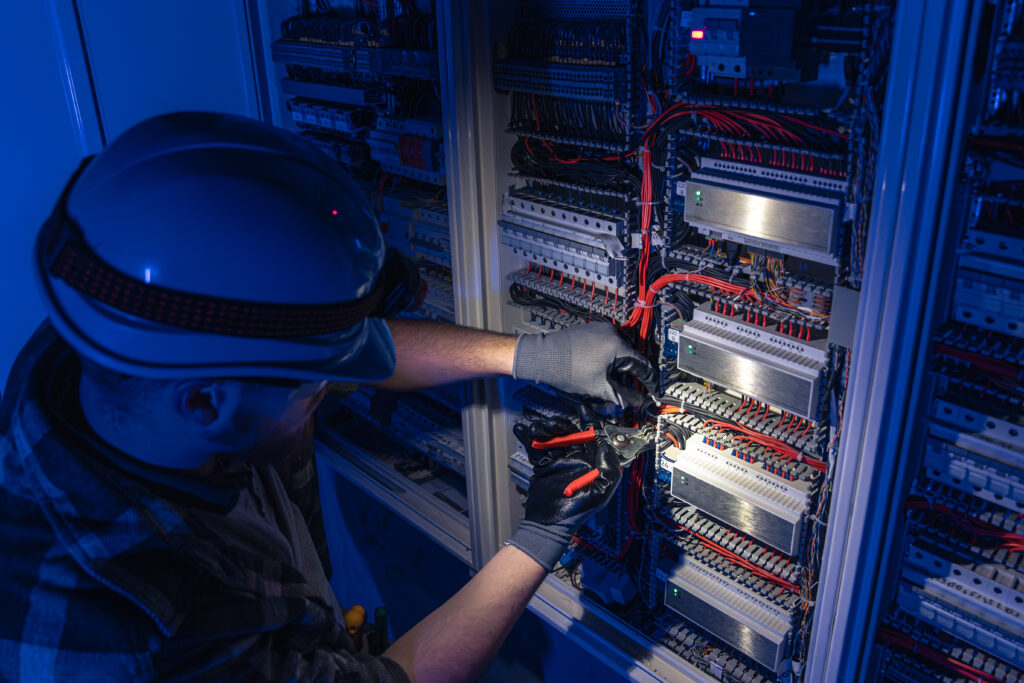
Farming in Ontario does not only involve planting and harvesting but a system of elaborate electric circuits. Electricity is the backbone of farm productivity in the contemporary world through lighting and climate regulation in greenhouses, automated feeding in livestock barns, and so on. With safety, code compliance and reliability as the central aspect, Agricultural Electrical Services in Ontario are experts in designing, installing, maintaining, and repairing these important systems. This paper examines what these services include, the law/regulatory environment, usual pitfalls, advantages, and suggestions of selecting an effective provider.
What are Agricultural electrical services?
The electrical contracting services adjusted to the farming and agribusiness operation are known as agricultural electrical services. They usually include:
New installations and additions:
Wiring of barns, greenhouses, sheds, installation of service panels, installing motors, fans, lighting, ventilation equipment. Backup power systems (generators, UPS) are also installed by the contractors to continue the operations in the course of power outages.
Control systems and automation:
Programmable Logic Controllers (PLCs), automated feeders, environment (humidity, temperature), irrigation control, sensor networks.
Lighting systems:
Interior (barns, packing areas) and exterior (yard lighting, security) are frequently LED, as it is efficient.
Service upgrades and maintenance:
Making sure that the panels can support the load, fixing or replacing broken wiring, troubleshooting electrical faults. Seasonal checks are common.
Installation regulatory compliance and safety:
Ensuring that installations are in compliance with the Safety Code of Ontario Electrical (OESC)., acquiring applicable permits, and ensuring installations are inspected by the Electrical Safety Rules and South Ontario Requirements.
Due to the presence of numerous hazards (moisture, animal waste, large loads and so forth) agricultural operations are regulated and controlled by strict regulations and codes of electrical systems on farms in Ontario. Key ones include:

Ontario Electrical Safety Code (OESC)
The OESC must be adhered to in all the electrical installations, repairs, replacements. It also contains regulations concerning the type of wiring, position of panels, protection against moisture and gases that corrode, adequate distance between panels and livestock fences etc.
Certified Tradespeople and Licensed Electrical Contractors (LEC).
One should have an electrician who is a licensed contractor. Any contractor employed should possess appropriate licenses/ registrations with ESA. In most instances, farms can perform some minor work, however any activity that involves wiring or a significant load usually needs a licensed professional.
Permits, Notifications and Inspections.
Most electrical work requires a permit, or a notification of work, through ESA, before commencing. After work is finished, check ups are put in place to check compliance. It is common that certificates of inspection (or a similar one) are needed.
Particular Barn Wiring Standards.
Special wiring requirements exist in barns, e.g. Non Metallic Wet (NMW) or Non Metallic Wet Underground (NMWU) cable should be used in livestock areas, copper conductors, installing non essential electrical equipment in dry clean rooms that are separated and not in contact with moisture or corrosive gasses.
New Codes and Safety Authorities.
Ontario periodically revises safety codes (e.g. new edition of OESC effective May 1, 2025) to reflect such improvements, conform to national standards and address new technologies.
Routine Problems and Resolutions.
Electrical problems are peculiar to agricultural operations:
Moisture, Corrosion and Gases:
The moisture and corrosive environments of barns and greenhouses are high. Electrical cables are destroyed, insulation is destroyed. To overcome this: correct type of cables (NMW, NMWU), keep electric panels out of the livestock premises, provide proper ventilation and enclosures.
Load Surges & Voltage Drops:
Sometimes, farm systems may be loaded with heavy loads (motors, dryers, fans). Voltage drop can be brought about by long wire runs. Remedies: modernize service panels, design load carrying feeders, employ bigger conductors, apportion loads.
Risks of Downtime:
Due to the nature of most agricultural activities being time based, any electrical outage or failure would be costly in terms of livestock welfare or crop yields or spoilage. Integrity Backup power systems (generators, redundant circuits) are necessary. Also proactive maintenance.
Safety Hazards:
Although these can cause fire or shocks, old or DIY wiring, rodent damage, damaged insulation, poor grounding, or overloads can cause fire or shocks. Professional inspection on a regular basis can be used to detect and correct hazards.
Advantages of Correct Agricultural Electricity Services
There are a number of obvious advantages to investing in professional agricultural electrical services:
Safety:
Adherence to codes minimizes the risk of fire, injuries to workers or animals, damage of equipment.
Reliability:
There is less downtime, few surprises and automated systems are operating consistently.
Energy and Cost Savings:
Replacement of LED lighting and efficient motors, wiring and equipment of correct size, and size wiring and equipment facilitate minimization of wasted energy and utility bills.
Compliance / Insurance:
Insurance companies might demand that some electrical standards should be met. Compliance noncompliance may result in loss of claims or an increase in the premiums. Insurance certificates and permits assist in meeting the requirements of the insurers.
Scalability & Flexibility:
A well designed infrastructure will allow farmers to scale (add equipment, add green houses, add livestock) without requiring significant rewiring or service upgrades in the future.

How to Find a Good Agricultural Electrical Contractor.
These are some of the criteria that should be considered when selecting a provider of agricultural electrical work:
Appropriate Licensing and Certifications.
Make sure that the contractor is a Licensed Electrical Contractor (LEC) in Ontario, has the required qualifications and is enrolled at ESA. Also trade certifications (Certificate of Qualification).
Agricultural Environment Experience.
The provider must be aware of the special issues: barns, greenhouses, animal welfare, environmental exposure, load requirements. It is a big advantage to have previous projects in the same environment.
Familiarity with the Existing Codes and Standards.
The most recent version of the OESC, house wiring regulations, revised safety regulations, permit and inspection regulations.
Superior Design and planning competency.
Along with the consideration of the load increase, the selection of the type of wiring, resistance to moisture and corrosion, panel layout, and route of underground cables when needed.
Reactive Support and Emergency Support.
Power outage, malfunctioning machines, etc. When electrical breakdowns happen on a farm, someone needs to act very quickly. Emergency response and contractors providing services that are quick to respond are valuable.
Open Pricing & Authorization to Handling.
Estimates with clarity, such as the cost of labor and material, permit, and inspection. The contractor is also supposed to make permit filings and to facilitate the inspection, which will relieve the farm owner.
Farmers: Best Practices and Tips.
The following are some of the tips that can be put in place to ensure safe, code compliant, efficient electrical systems on a farm:
Conduct Periodic Checkups:
After a destructive weather or seasonal shutdowns. Find damaged and frayed wires, ingress, corrosion, rodent damage.
Keep Wiring Clean and Protected:
Exposed wires should not be exposed in places of high traffic; conduits should be used; wires should be prevented by moisture and corrosive gases.
Apply Appropriate Cable Types:
Apply NMW/NMWU only in the livestock or damp environment, only copper conductors, sufficient insulation.
Design to Redundancy:
Consider the use of backup power, spare circuits, adequate space, and expansion capacity.
Keep Well Ventilated and Clean:
Clean, dry, controlled temperature, livestock clean rooms that contain panels or a type of control equipment.
Record All:
Document time and date of work, inspection, passed and equipment specification. This assists in the maintenance, insurance, and diagnostics in future.
Keep in the Code Revisions:
OESC and ESA are known to produce revisions or bulletins. Upon awareness, there will be compliance, and there will be no expensive retrofits.
Conclusion
Electrical Services in Ontario to agriculture are very fundamental in modern farming. They make farms safe, productive, and efficient in terms of installing and maintaining all types of wiring, lighting, control systems, and adherence to codes as well as carrying out emergency repairs and upgrades. In any farming business be it a greenhouse, livestock barn, or mixed crop plant, the need to invest in qualified and code sensitive electrical service is not only a regulatory requirement but a business case.
To those farm owners, the best solution is to engage a skilled and licensed contractor, one who is knowledgeable not only about technical aspects of agriculture, but also the business climate in Ontario. This guarantees a comfortable life, efficiency, security and readiness to the future.