
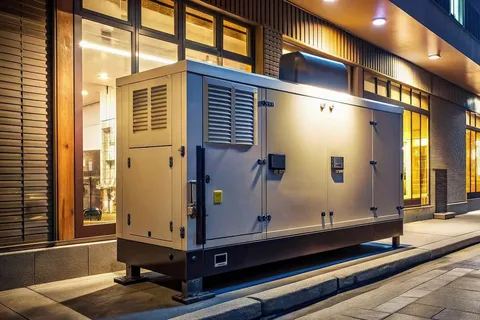
Power outages are now common disruptions affecting comfort, safety, and daily life. In Durham Region, where weather and grid demands are unpredictable, backup generator installation is a strategic investment for homeowners and businesses. This guide offers a structured overview of backup generator installation, helping you understand every stage from selection to ongoing maintenance.
Why Backup Generators Are Essential in Durham Region
Durham Region faces environmental and infrastructure issues that cause outages, such as severe storms, high winds, and rising electricity demand. As homes rely more on electricity for heating, cooling, security, and communication, even short outages can disrupt life.
A backup generator ensures:
- Continuous operation of essential appliances
- Protection against property damage (e.g., frozen pipes, sump pump failure)
- Enhanced safety and comfort during emergencies
- Reduced downtime for home-based businesses
In this context, generators are not luxury additions—they are part of a resilient home infrastructure.
Understanding Backup Generator Types
Choosing the right generator begins with understanding the available options:
Standby Generators
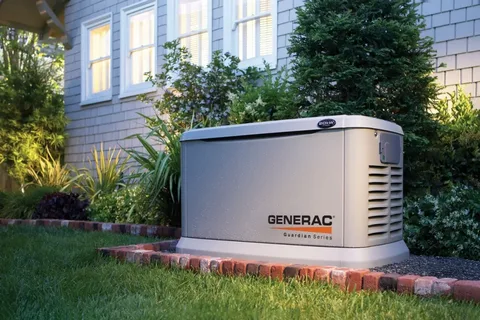
Standby generators are permanently installed outside and automatically start during outages. Usually powered by natural gas or propane, they power entire homes or select circuits—ideal for those who want hands-free operation.
Portable Generators
Portable generators are more affordable and flexible, but require manual setup and fueling. They are suitable for temporary use and can power essential appliances, but lack the convenience and capacity of standby systems.
Inverter Generators
Inverter generators are quiet and efficient, providing stable power for sensitive electronics. However, they generally support only smaller loads.
How Backup Generator Installation Works
Installing a backup generator involves several professional steps:
A technician evaluates your property, electrical system, and energy needs to determine the best generator size and placement.
1. Load Calculation
This step identifies how much power your home requires. It includes essential systems such as heating, refrigeration, and lighting, as well as optional appliances.
2. Permits and Code Compliance
Durham Region regulations require permits for electrical and gas connections. Compliance ensures safety and avoids legal issues.
3. Installation Process
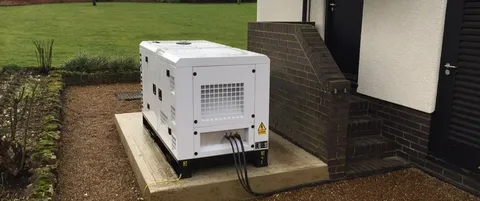
The generator is set on a stable base, fueled, and connected to your panel via an automatic transfer switch (ATS).
4. Testing and Activation
After installation, the system is tested to confirm automatic operation during outages.
Cost of Backup Generator Installation
The cost of installing a backup generator varies based on several factors:
- Generator size and capacity
- Type of fuel (natural gas or propane)
- Complexity of installation
- Electrical system upgrades
- Permit and inspection fees
Benefits of Installing a Backup Generator
Uninterrupted Power Supply
Your home stays functional during outages.
Property Protection
Prevents costly damage from power loss.
Increased Property Value
Homes with installed generators are more appealing to buyers.
Business Continuity
For small businesses or remote workers, generators prevent income loss.
Peace of Mind
You’re prepared for unexpected situations.
Choosing the Right Generator Installer
Choosing a qualified Durham Region installer is crucial for safety and performance. Seek:
- Licensed and certified professionals
- Experience with local building codes
- Transparent pricing and detailed quotes
- Warranty and maintenance services
- Positive customer reviews
Avoid DIY installation, as improper setup can pose safety hazards and cause system failure.
Maintenance and Long-Term Performance
Backup generators require regular maintenance to remain reliable:
- Oil and filter changes
- Battery checks
- Fuel system inspection
- Routine testing
Service most systems annually. Proper maintenance can ensure a 10–20 year lifespan for standby generators.
Common Mistakes to Avoid
- Choosing a generator that is too small for your needs
- Ignoring local regulations and permits
- Poor placement near windows or enclosed spaces
- Skipping routine maintenance
- Hiring unqualified installers
Avoid these mistakes to keep your system safe and efficient.
The Future of Backup Power Solutions
Modern backup generators are evolving with advanced technologies:
- Smart monitoring systems accessible via mobile apps
- Integration with solar panels and battery storage
- Improved fuel efficiency
- Reduced noise levels
These advances make generators part of the smart home ecosystem.
Final Thoughts
Installing a backup generator in Durham Region is a smart way to protect your home, maintain comfort, and ensure reliable energy. Understand generator types, installation steps, costs, and maintenance to make the best decision for your needs.